
Cancer Hospital in Rajasthan | Zanish Cancer Hospital
- +91 7433852300
- drnishantonco@gmail.com
- Rajasthan, India

Testicular Cancer
- Home
- Treatments
- Testicular Cancer
Testicular Cancer Treatment | Expert Care | Zanish Cancer Hospital
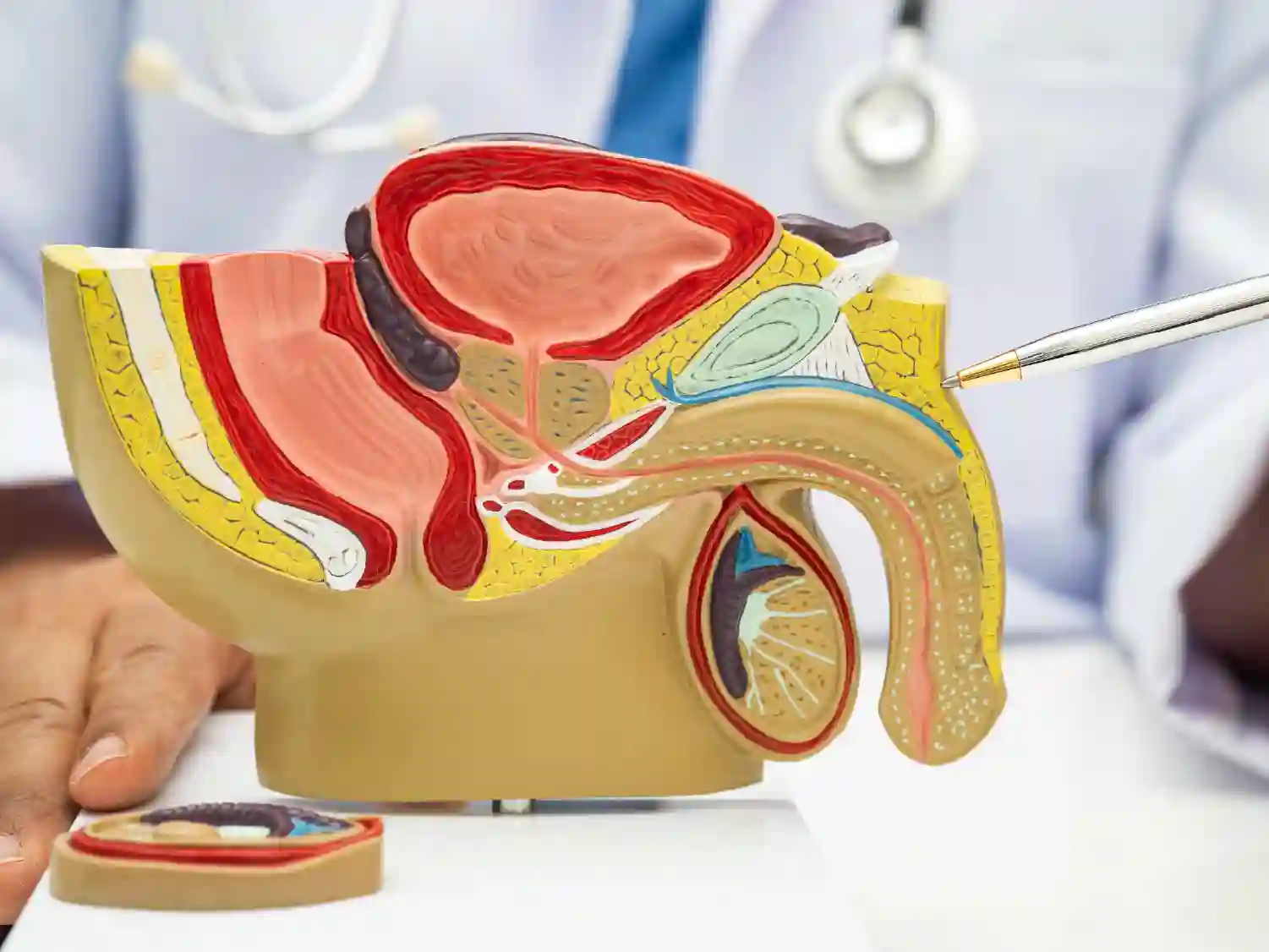
Expert Testicular Cancer Care in Rajasthan
Testicular cancer develops when abnormal cells grow uncontrollably in one or both testicles, the male reproductive organs that produce sperm and testosterone. This cancer primarily affects younger men between ages 15 and 45, making it the most common cancer in this age group, though it can occur at any age. The two main types are seminomas, which grow slowly and respond well to radiation therapy, and non-seminomas, which grow more rapidly and include several subtypes. Testicular cancer is highly treatable, even when diagnosed at advanced stages, with cure rates exceeding 95 percent for early-stage disease. The most common initial symptom is a painless lump or swelling in one testicle, though some patients experience dull ache in the lower abdomen or groin, sudden fluid collection in the scrotum, breast tenderness or growth, or back pain. Monthly testicular self-examination helps detect abnormalities early. Zanish Cancer Hospital provides specialized testicular cancer treatment in Rajasthan, offering comprehensive urologic oncology care with sensitivity to the unique concerns of younger male patients.
Comprehensive Treatment Protocols and Multidisciplinary Care
Our testicular cancer treatment approach integrates current medical evidence with individualized care planning. Treatment recommendations depend on cancer type (seminoma versus non-seminoma), stage, tumor markers, and patient preferences regarding fertility preservation and long-term health.
Radical inguinal orchiectomy, the surgical removal of the affected testicle through an incision in the groin, serves as the primary treatment for all testicular cancers regardless of type or stage. This procedure provides definitive diagnosis through pathologic examination and is curative for many early-stage cases. The surgery typically requires only brief hospitalization with quick recovery. Importantly, removing one testicle does not affect sexual function or fertility, as the remaining testicle produces sufficient testosterone and sperm.
Following orchiectomy, treatment planning depends on pathology results, tumor markers (AFP, beta-HCG, LDH), and imaging studies that determine cancer stage. For early-stage seminoma, options include active surveillance with regular monitoring, single-dose chemotherapy to reduce recurrence risk, or radiation therapy to retroperitoneal lymph nodes. Treatment choice balances cure rates against potential side effects and long-term health considerations.
Early-stage non-seminoma treatment options include active surveillance for very low-risk cases, retroperitoneal lymph node dissection (RPLND) to remove lymph nodes where cancer commonly spreads, or chemotherapy. RPLND is a complex surgical procedure requiring specialized expertise to minimize complications including nerve damage that could affect ejaculation.
Advanced testicular cancer with lymph node involvement or distant spread requires chemotherapy as primary treatment. Platinum-based combination chemotherapy regimens have revolutionized testicular cancer treatment, achieving cure rates exceeding 80 percent even for advanced disease. Following chemotherapy, residual masses may require surgical removal to ensure complete cancer eradication.
Fertility preservation is an important consideration since chemotherapy and radiation can affect sperm production. We recommend sperm banking before treatment for men desiring future biological children. Our team provides counseling and coordinates fertility preservation services.
Our multidisciplinary testicular cancer team includes urologic surgeons specializing in complex RPLND procedures, medical oncologists experienced in germ cell tumor chemotherapy, radiation oncologists, fertility specialists, and supportive care providers. Regular multidisciplinary conferences ensure coordinated treatment planning addressing both cancer cure and quality of life considerations important to younger patients.
Specialized Urologic Oncology Expertise
Zanish Cancer Hospital’s testicular cancer team comprises board-certified specialists with advanced training in genitourinary oncology and germ cell tumors. Our urologic surgeons have completed fellowships in urologic oncology with specialized experience performing nerve-sparing retroperitoneal lymph node dissection, a technically demanding procedure requiring meticulous surgical technique. They maintain active memberships in prestigious organizations including the American Urological Association, European Association of Urology, Society of Urologic Oncology, and Urological Society of India.
Our medical oncologists hold certifications from recognized medical boards and specialized expertise in germ cell tumor management. They belong to leading professional societies including the American Society of Clinical Oncology, International Germ Cell Cancer Collaborative Group, and Indian Society of Medical and Pediatric Oncology. Their extensive experience with platinum-based chemotherapy regimens and management of treatment complications ensures optimal outcomes.
The radiation oncology team includes specialists trained in treating seminoma with modern radiation techniques that minimize radiation exposure to surrounding organs, reducing long-term health risks. Our radiologists possess expertise in staging imaging interpretation essential for treatment planning.
The pathology department features experts in genitourinary pathology who provide accurate diagnosis and classification of testicular tumors, including identifying specific non-seminoma subtypes that influence treatment decisions. Our laboratory specialists have expertise in tumor marker interpretation.
Collectively, our team represents decades of specialized experience in testicular cancer management. We maintain commitment to staying current with evolving treatment approaches through participation in continuing medical education, national and international conferences, and engagement with clinical research in germ cell tumors. This ensures our patients receive care incorporating the most recent advances in testicular cancer treatment while minimizing long-term side effects.
Advanced Diagnostic and Surgical Facilities
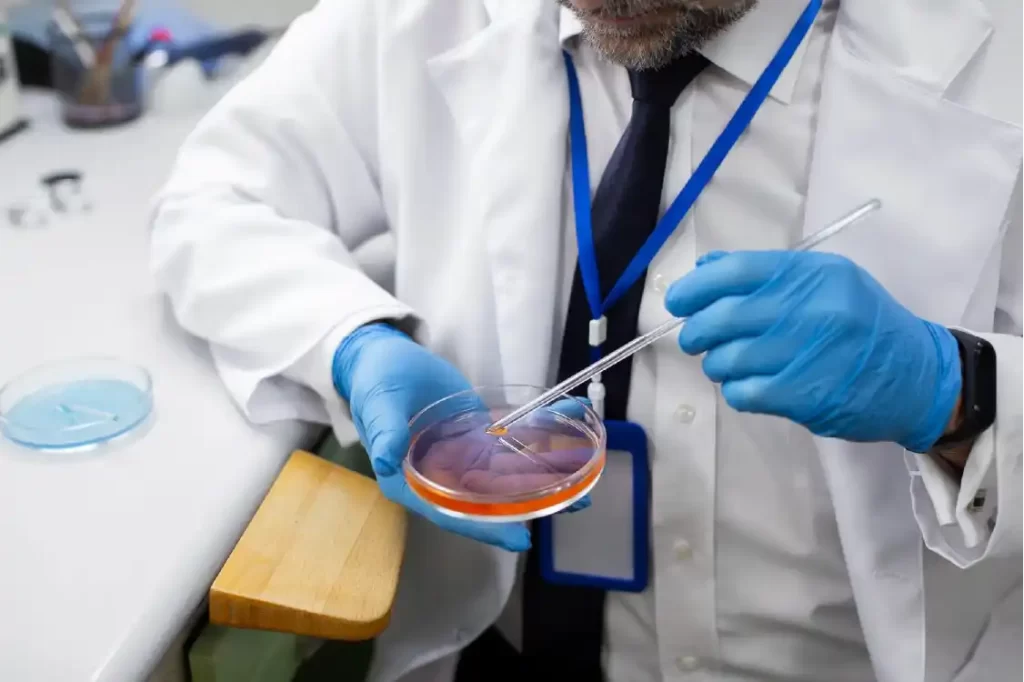
Our facility features comprehensive diagnostic capabilities for accurate testicular cancer evaluation and staging. High-resolution ultrasound equipment provides detailed testicular imaging to characterize masses and guide diagnosis. Advanced CT scanning technology enables precise staging assessment of retroperitoneal lymph nodes and chest evaluation for potential metastases. When indicated, PET-CT imaging helps evaluate residual masses following chemotherapy.
Modern laboratory services provide comprehensive tumor marker testing (AFP, beta-HCG, LDH) essential for diagnosis, treatment planning, and surveillance monitoring. These markers help determine cancer type, predict prognosis, and monitor treatment response. Our pathology department utilizes current techniques for accurate histologic diagnosis and immunohistochemistry to classify tumor subtypes.
Surgical facilities include specialized operating theaters equipped for both radical orchiectomy and complex retroperitoneal lymph node dissection procedures. Our surgical team employs nerve-sparing techniques during RPLND to preserve ejaculatory function whenever oncologically safe.
We maintain collaborative relationships with fertility preservation centers to facilitate timely sperm banking services when recommended before treatment.
Zanish Cancer Hospital maintains accreditation from national healthcare quality organizations, demonstrating adherence to rigorous safety and quality standards. Regular quality assessments ensure compliance with best practices in surgical technique, chemotherapy administration, and patient safety protocols. Patient-centered amenities include private consultation rooms, comfortable recovery areas, and supportive features designed to address the unique needs of younger male patients.
Comprehensive Patient Support Services
Testicular cancer diagnosis in young men raises concerns about fertility, masculinity, body image, and long-term health. Our comprehensive support services address these sensitive issues with understanding and expertise.
Dedicated care coordinators facilitate appointment scheduling, treatment planning, and communication among specialists to ensure integrated care delivery. Fertility counselors provide guidance on sperm banking and discuss fertility preservation options before treatment begins.
Professional counselors offer emotional support for patients and partners navigating cancer diagnosis, treatment decisions, and concerns about body image and sexual function. Support groups connect patients with others who have experienced testicular cancer, providing peer support particularly valuable for younger men facing this diagnosis.
Our team includes specialists who discuss prosthetic testicular implants for men desiring cosmetic restoration following orchiectomy. Physical rehabilitation services help patients maintain fitness during and after treatment.
Financial counselors assist with insurance verification, treatment cost discussions, and exploration of financial assistance programs. We accept most major health insurance plans and work collaboratively with patients to address coverage questions and financial concerns.
Schedule Your Consultation
Contact Zanish Cancer Hospital for Testicular Cancer Evaluation
Prompt evaluation of testicular abnormalities is essential for optimal outcomes. Contact Zanish Cancer Hospital to schedule a consultation with our urologic oncology specialists. Our patient services team can assist with appointment scheduling, insurance coordination, and medical record transfer.
We provide confidential, compassionate evaluation and treatment for testicular cancer with sensitivity to the unique concerns of younger male patients.
Frequently Asked Questions
The exact cause remains unclear, though certain risk factors increase likelihood including undescended testicle (cryptorchidism), family history of testicular cancer, abnormal testicular development, and being between ages 15-45. Having one risk factor does not mean cancer will develop, and many men diagnosed have no known risk factors. Unlike many cancers, lifestyle factors like smoking or diet do not significantly increase testicular cancer risk.
Examine testicles monthly during or after a warm shower when the scrotal skin is relaxed. Roll each testicle gently between thumb and fingers, feeling for lumps, swelling, or changes in firmness. Normal testicles feel smooth and slightly firm with an egg-like shape. The epididymis (sperm-collecting tubule) feels soft and rope-like on the back of each testicle. Report any lumps, swelling, pain, or changes to your physician promptly.
Removing one testicle (orchiectomy) typically does not affect fertility, as the remaining testicle produces adequate sperm and testosterone. However, chemotherapy and radiation can temporarily or permanently reduce sperm production. We strongly recommend sperm banking before treatment begins for men who may want biological children in the future. Many testicular cancer survivors father children naturally after treatment, though fertility rates vary based on treatment intensity.
Testicular cancer has among the highest cure rates of all cancers. Early-stage testicular cancer has cure rates exceeding 95 percent. Even advanced testicular cancer with spread to lymph nodes or distant organs has cure rates over 80 percent with appropriate chemotherapy. These excellent outcomes result from testicular cancer's high sensitivity to chemotherapy and comprehensive treatment approaches. Regular follow-up monitoring is essential to detect and treat any recurrence early.
Follow-up involves regular physical examinations, tumor marker blood tests, and imaging studies on a scheduled basis that becomes less frequent over time. Early years after treatment require more frequent monitoring, typically every few months, gradually extending to annual visits. Most recurrences occur within the first two years, making close monitoring during this period especially important. Your medical team will establish a personalized surveillance schedule based on cancer type, stage, and treatment received.
Other Treatments
Lorem ipsum dolor sit amet, consectetur adipiscing elit.
Choose Trusted Cancer Hospital in Rajasthan for Better Health
Our expert oncology team delivers advanced diagnosis treatment
compassionate care personalized plans at Cancer Hospital Rajasthan today.
Address
1st Floor, Viva Atelier, Opp. B.D. Patel House, Near Sardar Patel Statue, Behind Sardar Patel Colony, Naranpura, Ahmedabad-380014. (Gujarat) India
Contact
+91 7433852300
Medical Disclaimer: This content provides educational information and does not constitute medical advice or guarantee specific treatment outcomes. Testicular cancer treatment recommendations depend on comprehensive medical evaluation including pathology results, tumor markers, and staging studies. Treatment responses and outcomes vary based on cancer type, stage, and individual factors. Consult qualified healthcare professionals for personalized medical guidance and treatment planning. Any testicular lump or abnormality should be evaluated promptly by a physician.
