
Cancer Hospital in Rajasthan | Zanish Cancer Hospital
- +91 7433852300
- drnishantsanghavi@zanishcancerhospital.com
- Rajasthan, India

Bladder Cancer
- Home
- Treatments
- Bladder Cancer
Bladder Cancer Treatment
Specialized Urinary Bladder Cancer Care in Rajasthan
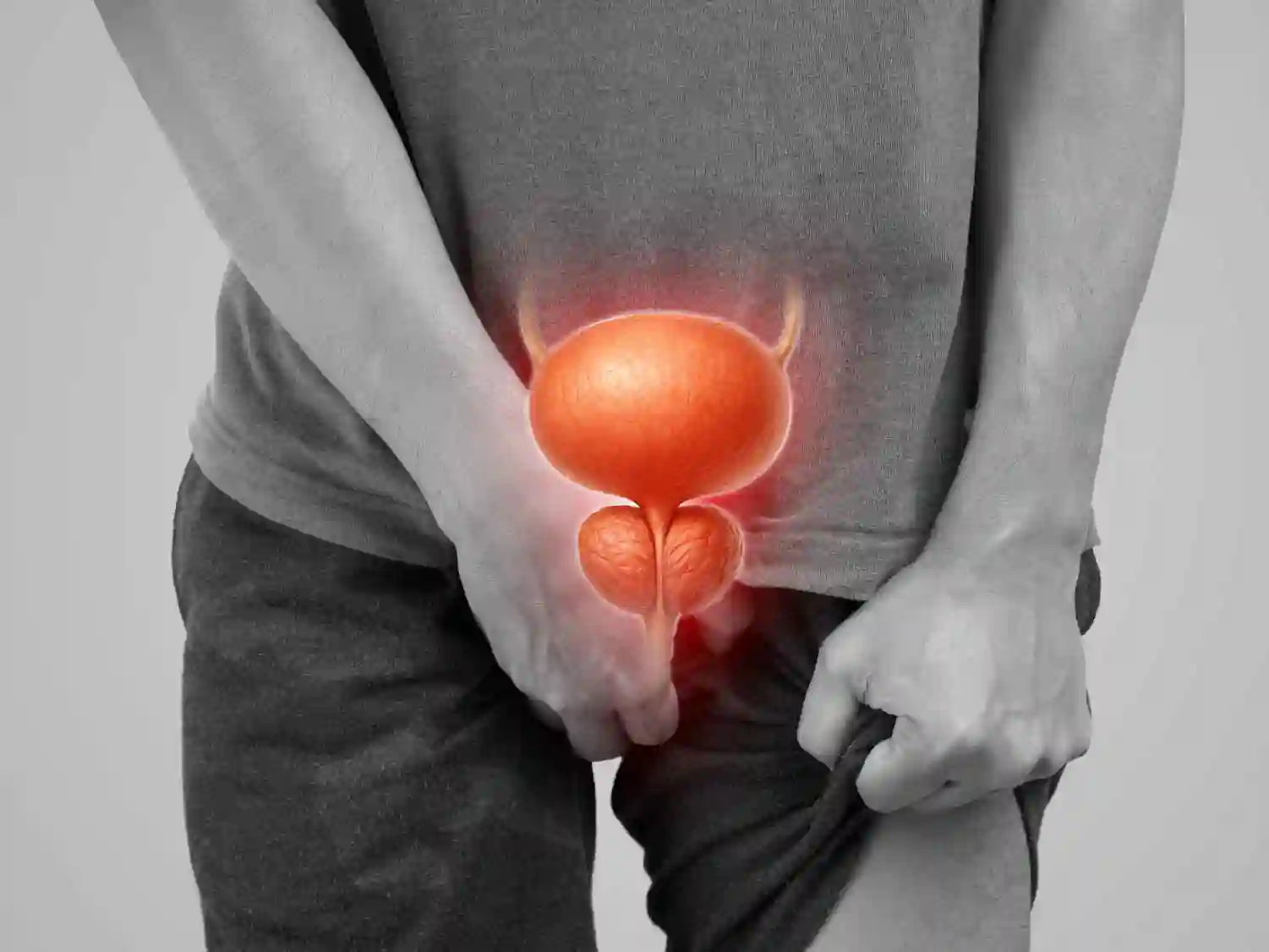
Urinary bladder cancer develops when cells in the bladder lining grow abnormally and uncontrollably. The bladder is a hollow muscular organ in the lower abdomen that stores urine produced by the kidneys. Most bladder cancers begin in the urothelial cells lining the bladder’s inner surface, called urothelial carcinoma or transitional cell carcinoma. The disease can range from non-muscle-invasive cancers confined to the bladder lining to muscle-invasive cancers that penetrate deeper bladder wall layers and may spread to nearby organs or distant body parts. Risk factors include tobacco use, chemical exposures, chronic bladder inflammation, previous radiation therapy, and certain medications. The most common warning sign is blood in urine (hematuria), which may be visible or detected only through laboratory testing. Other symptoms include frequent urination, painful urination, urgency to urinate, pelvic pain, and back pain. Zanish Cancer Hospital provides comprehensive urinary bladder cancer treatment in Rajasthan, combining advanced urologic oncology expertise with personalized care approaches.
Advanced Treatment Methods and Collaborative Care
Our bladder cancer treatment protocols follow evidence-based guidelines and are tailored to each patient’s specific cancer stage, grade, and individual health factors. Treatment planning considers cancer characteristics, patient preferences, and quality of life considerations.
For non-muscle-invasive bladder cancer confined to the inner lining, transurethral resection of bladder tumor (TURBT) serves as both diagnostic and therapeutic procedure. During TURBT, surgeons insert a specialized instrument through the urethra to remove visible tumors without external incisions. Following tumor removal, intravesical therapy may be administered directly into the bladder to reduce recurrence risk. This includes immunotherapy with Bacillus Calmette-Guerin (BCG), which stimulates the immune system to attack cancer cells, or chemotherapy medications that destroy remaining cancer cells.
Muscle-invasive bladder cancer requires more aggressive intervention. Radical cystectomy, the surgical removal of the entire bladder, is the standard curative treatment. For men, this typically includes removal of the prostate and seminal vesicles. For women, it may include removal of the uterus, ovaries, and part of the vagina. Our surgical team performs urinary diversion procedures to create new ways for urine to leave the body, including ileal conduit (external collection bag), continent cutaneous reservoir (internal pouch emptied through a catheter), or neobladder reconstruction (internal pouch connected to the urethra allowing urination).
For select patients with muscle-invasive disease, bladder-sparing approaches combining TURBT with chemotherapy and radiation therapy may be considered. This trimodality therapy aims to preserve bladder function while treating cancer effectively.
Systemic chemotherapy is crucial for treating advanced bladder cancer or reducing cancer before surgery (neoadjuvant chemotherapy). Platinum-based chemotherapy combinations have demonstrated effectiveness in improving outcomes. For advanced disease, immunotherapy checkpoint inhibitors represent significant advances, helping the immune system recognize and attack cancer cells. These medications have provided new treatment options for patients with metastatic bladder cancer.
Our multidisciplinary urologic oncology team includes urologic surgeons, medical oncologists, radiation oncologists, radiologists, pathologists, and specialized nurses who collaborate through regular tumor board meetings. This team-based approach ensures comprehensive evaluation and coordinated treatment planning addressing all aspects of bladder cancer care.
Expert Urologic Oncology Team
Zanish Cancer Hospital’s bladder cancer team comprises board-certified specialists with extensive training in urologic oncology and genitourinary malignancies. Our urologic surgeons have completed advanced fellowships in urologic oncology and possess specialized expertise in complex bladder procedures including radical cystectomy and urinary reconstruction. They maintain active memberships in prestigious organizations including the American Urological Association, European Association of Urology, Society of Urologic Oncology, and Urological Society of India.
Our medical oncologists hold certifications from recognized medical boards and belong to leading professional societies such as the American Society of Clinical Oncology and Indian Society of Medical and Pediatric Oncology. They bring specialized knowledge in systemic therapies for bladder cancer including chemotherapy protocols, immunotherapy, and emerging targeted treatments.
The radiation oncology team includes specialists experienced in treating genitourinary cancers with advanced radiation techniques. Our radiologists possess expertise in urologic imaging interpretation essential for accurate staging and treatment monitoring. The pathology department features experts in genitourinary pathology who provide precise tumor grading and molecular characterization.
Our specialized urology nursing staff provides expert care for patients undergoing complex procedures and managing urinary diversions. They offer education and support for ostomy care and bladder management following treatment.
Collectively, our medical team represents decades of dedicated experience in bladder cancer diagnosis and management. We maintain commitment to professional excellence through regular participation in continuing medical education, national and international urology conferences, and engagement with emerging clinical research in urologic oncology. This dedication ensures our patients receive care informed by the most current advances in bladder cancer treatment.
State-of-the-Art Urologic Facilities
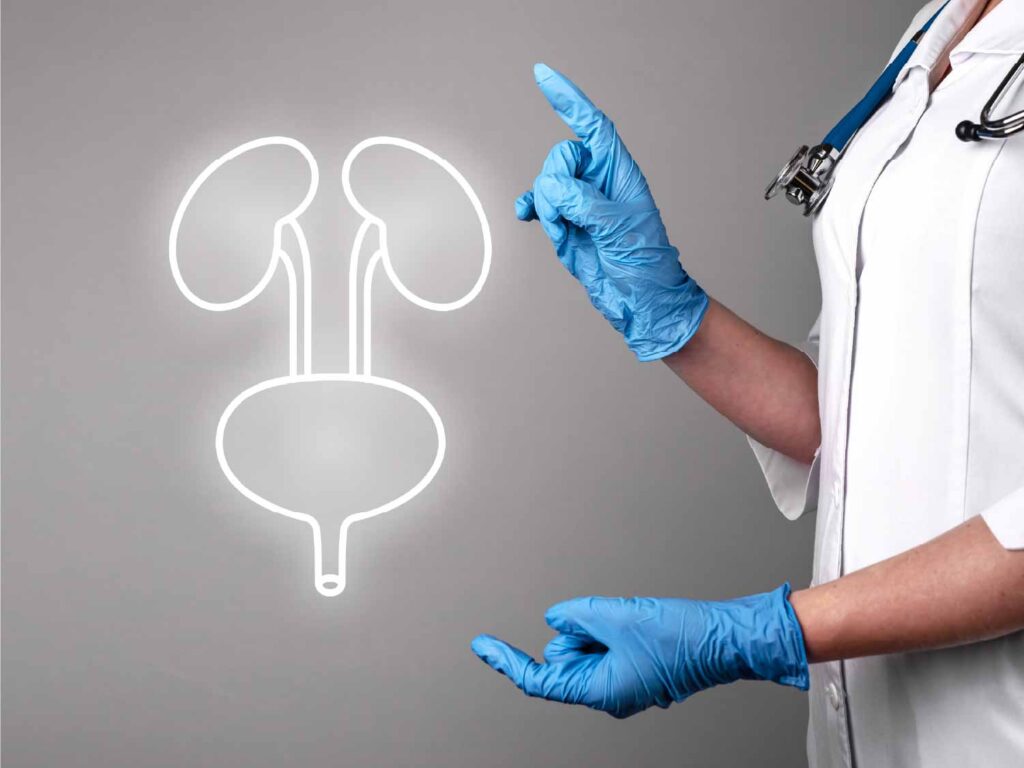
Our facility features comprehensive diagnostic capabilities essential for accurate bladder cancer evaluation and staging. Advanced cystoscopy equipment including flexible and rigid cystoscopes with high-definition imaging enables detailed bladder examination and tissue biopsy. Blue light cystoscopy technology enhances tumor detection during procedures.
Imaging technology includes CT urography, MRI systems optimized for pelvic imaging, and PET-CT scanners for staging advanced disease. These tools provide detailed assessment of cancer extent and treatment response monitoring.
Modern pathology laboratory services offer comprehensive tissue analysis, immunohistochemistry, and molecular testing to identify specific genetic alterations that may guide treatment selection. Urine cytology and biomarker testing support diagnostic evaluation.
Our surgical suites accommodate complex urologic procedures with specialized equipment for radical cystectomy and urinary reconstruction. Advanced laparoscopic and robotic surgical systems enable minimally invasive approaches when appropriate, potentially reducing recovery time and complications.
The radiation oncology department houses linear accelerators capable of delivering intensity-modulated radiation therapy (IMRT) and image-guided radiation therapy (IGRT) for precise treatment delivery when radiation is indicated.
Zanish Cancer Hospital maintains accreditation from national healthcare quality organizations, demonstrating commitment to patient safety and clinical excellence. Regular quality audits ensure compliance with infection control protocols, surgical safety standards, and evidence-based clinical practices. Patient comfort features include private recovery rooms, specialized urology nursing care, and supportive amenities designed to enhance the treatment experience and facilitate recovery.
Comprehensive Patient Support Programs
Bladder cancer treatment can significantly impact daily life, particularly following bladder removal and urinary diversion. Our comprehensive support services address these challenges throughout the care continuum.
Dedicated care coordinators facilitate appointment scheduling, treatment coordination, and communication among specialists to ensure integrated care delivery. Specialized ostomy and continence nurses provide essential education and support for patients learning to manage urinary diversions, offering practical guidance on ostomy care, supplies, and lifestyle adjustments.
Professional counselors provide emotional support for patients and families navigating cancer diagnosis, treatment decisions, and adaptation to life changes following bladder surgery. Support groups connect patients with others who have undergone similar experiences, providing peer support and practical advice.
Registered dietitians offer nutritional counseling addressing dietary adjustments and hydration management important for urinary health. Financial counselors assist with insurance verification, treatment cost discussions, and exploration of financial assistance programs. We accept most major health insurance plans and work collaboratively with patients to address coverage questions.
Contact Zanish Cancer Hospital for Bladder Cancer Care
Prompt evaluation of urinary symptoms is important for early bladder cancer detection and treatment planning. Contact Zanish Cancer Hospital to schedule a consultation with our urologic oncology specialists. Our patient services team can assist with appointment scheduling, insurance coordination, and medical record transfer.
We provide comprehensive bladder cancer evaluation, diagnostic cystoscopy, treatment planning, and ongoing surveillance services for patients requiring specialized urologic oncology care.
Frequently Asked Questions
Blood in urine (hematuria) can result from various conditions including urinary tract infections, kidney stones, enlarged prostate, strenuous exercise, or bladder cancer. While most cases are not cancer-related, any blood in urine warrants medical evaluation. Visible blood in urine requires prompt urologic consultation, particularly in individuals over 35 or those with risk factors for bladder cancer.
Diagnosis begins with urinalysis and urine cytology to examine for abnormal cells. Cystoscopy, where a thin camera examines the bladder interior, allows direct visualization and tissue biopsy collection. Imaging studies including CT urography and MRI help assess cancer extent. Final diagnosis requires microscopic examination of tissue samples to determine cancer type and grade.
Treatment depends on cancer stage and grade. Early-stage disease may be treated with transurethral resection followed by intravesical therapy. Muscle-invasive cancer typically requires radical cystectomy with urinary diversion, sometimes preceded by chemotherapy. Advanced disease may be treated with systemic chemotherapy, immunotherapy, or combined approaches. Your urologic oncology team will recommend treatment based on your specific situation.
Adaptation to urinary diversion varies by procedure type. Ileal conduit requires wearing an external collection pouch, which most patients manage successfully with proper education and support. Continent diversions and neobladders offer alternatives allowing catheterization or urination through the urethra. Our specialized nursing team provides comprehensive training and ongoing support to help patients adapt successfully.
Follow-up protocols depend on treatment type and cancer characteristics. Non-muscle-invasive cancer requires regular cystoscopy surveillance to detect recurrence early. Following radical cystectomy, monitoring includes imaging studies and laboratory tests to check for cancer recurrence. Your medical team will establish a personalized surveillance schedule based on your individual risk factors and treatment history.
Other Treatments
Lorem ipsum dolor sit amet, consectetur adipiscing elit.
Choose Trusted Cancer Hospital in Rajasthan for Better Health
Our expert oncology team delivers advanced diagnosis treatment
compassionate care personalized plans at Cancer Hospital Rajasthan today.
Address
1st Floor, Viva Atelier, Opp. B.D. Patel House, Near Sardar Patel Statue, Behind Sardar Patel Colony, Naranpura, Ahmedabad-380014. (Gujarat) India
Contact
+91 7433852300
Medical Disclaimer: This content provides educational information and does not constitute medical advice or guarantee specific treatment outcomes. Bladder cancer treatment recommendations depend on comprehensive medical evaluation including cystoscopy, biopsy results, and staging studies. Treatment responses and outcomes vary based on cancer stage, grade, individual health factors, and treatment tolerance. Consult qualified healthcare professionals for personalized medical guidance and treatment planning. Any blood in urine requires prompt medical evaluation.
