
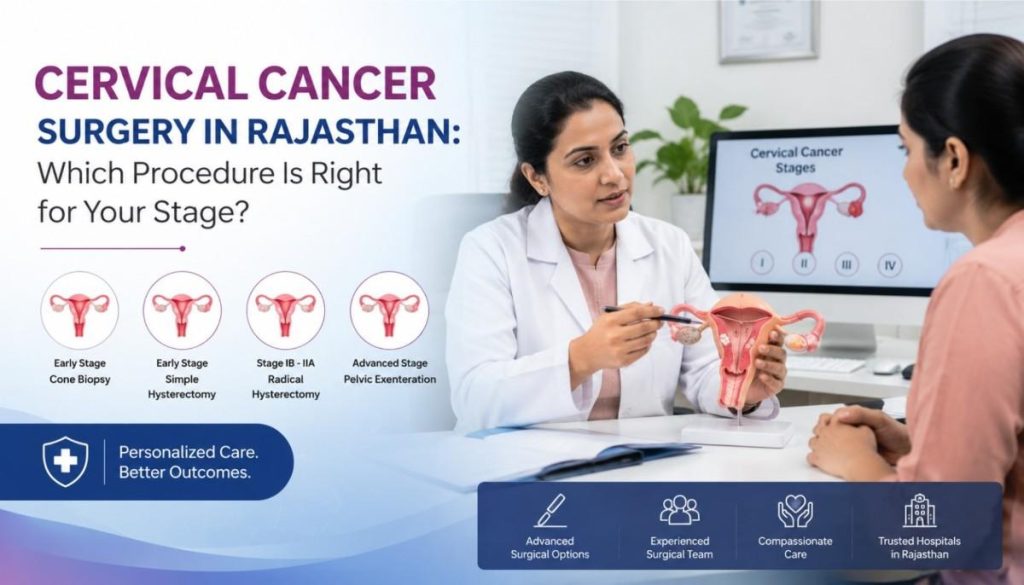
Cervical Cancer Surgery in Rajasthan: Which Procedure Is Right for Your Stage?
Cervical Cancer Surgery in Rajasthan: Which Procedure Is Right for Your Stage? Introduction A cervical cancer diagnosis raises immediate questions...

Cancer Hospital in Rajasthan | Zanish Cancer Hospital
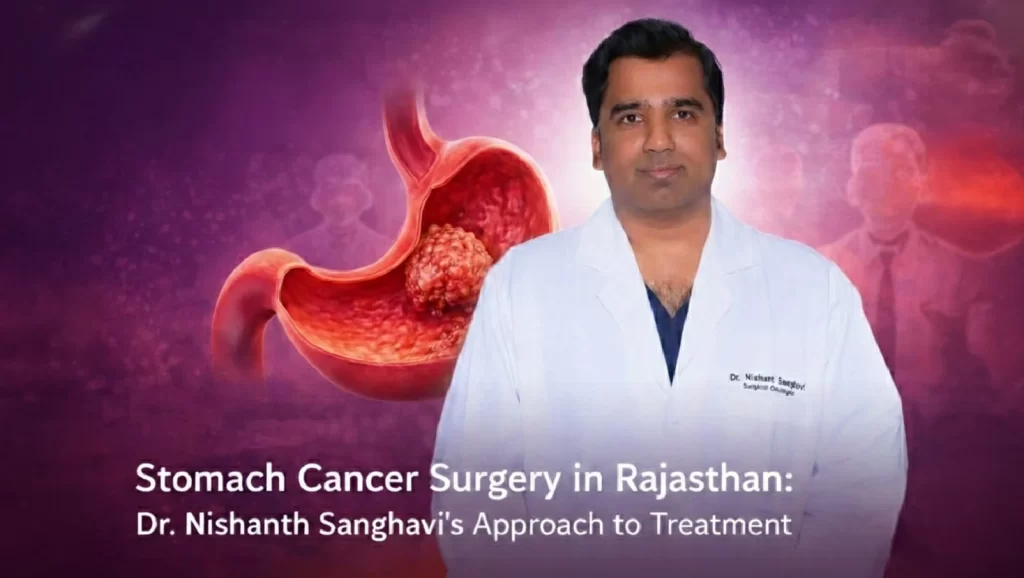
Stomach cancer, medically termed gastric cancer, remains a significant health concern across India, with varying incidence rates influenced by dietary patterns, infection prevalence, and genetic factors. For patients diagnosed across Rajasthan, accessing specialized surgical expertise becomes critical to treatment success and long-term survival. Stomach cancer surgery Rajasthan at Zanish Cancer Hospital combines advanced surgical techniques with comprehensive oncological care, offering patients evidence-based treatment delivered with clinical precision and compassionate support.
Many Rajasthan families face challenges understanding stomach cancer treatment options, surgical complexity, and recovery expectations. Delayed diagnosis due to symptom overlap with common digestive complaints often results in more advanced disease presentations, making expert surgical intervention even more crucial for optimal outcomes.
Stomach cancer develops when abnormal cells grow uncontrollably in the stomach lining. Risk factors include Helicobacter pylori infection, chronic gastritis, dietary habits involving smoked or preserved foods, tobacco use, family history, and certain genetic conditions.
Surgery remains the primary curative treatment for stomach cancer when diagnosed at operable stages. Gastric cancer treatment surgical approaches vary based on tumor location, size, depth of invasion, and lymph node involvement. Procedures range from partial gastrectomy removing the affected stomach portion to total gastrectomy removing the entire stomach, with surrounding lymph node dissection to prevent cancer spread.
A stomach cancer surgeon must balance complete tumor removal with preserving digestive function and maintaining nutritional capacity. Modern techniques including minimally invasive and robotic approaches offer benefits for appropriately selected patients, though traditional open surgery remains necessary for more extensive disease presentations.
Stomach cancer diagnosis frequently occurs at advanced stages across many Rajasthan communities due to limited awareness about warning symptoms and delayed healthcare consultation for persistent digestive complaints. Early symptoms including persistent indigestion, abdominal discomfort, unintentional weight loss, and difficulty swallowing often get attributed to common digestive problems rather than prompting timely evaluation.
Establishing regional centers with specialized gastrectomy surgery specialist expertise helps reduce treatment delays once diagnosis occurs. Complex stomach cancer operations require not just surgical skill but comprehensive perioperative management including nutritional support, infection prevention, and careful postoperative monitoring.
Geographic accessibility matters profoundly for stomach cancer patients who require extensive follow-up care, nutritional counseling, and potential adjuvant chemotherapy. Having experienced surgical oncology teams available within Rajasthan enables comprehensive care coordination without excessive travel burdens during physically demanding treatment phases.
Zanish Cancer Hospital approaches stomach cancer through multidisciplinary collaboration ensuring treatment plans reflect collective expertise rather than individual perspectives. The tumor board includes surgical oncologists, medical oncologists, radiation oncologists, gastroenterologists, radiologists, pathologists, and nutritionists who collaboratively review each case.
This integrated approach proves particularly important for stomach cancer where treatment decisions balance oncological completeness with quality of life preservation. Surgical planning considers not just tumor removal but reconstruction techniques maintaining digestive continuity, nutritional counseling addressing post-gastrectomy dietary modifications, and supportive care managing treatment-related challenges.
The hospital emphasizes realistic outcome communication. Stomach cancer prognosis depends heavily on disease stage at diagnosis, tumor biology, lymph node involvement, and patient overall health. Rather than making guaranteed claims, clinicians engage patients in informed discussions about treatment goals, potential outcomes, and realistic expectations based on individual circumstances.
Safety protocols including enhanced recovery pathways, infection prevention measures, and quality monitoring systems ensure consistent care standards. Regular outcome tracking and continuous improvement initiatives reflect institutional commitment to excellence and patient welfare.
Best surgeon for stomach cancer in Rajasthan searches reflect patient recognition that surgical expertise significantly influences outcomes for this complex malignancy. Dr. Nishanth Sanghavi brings specialized training in gastrointestinal surgical oncology including advanced techniques for gastric cancer resection and reconstruction.
Experience managing early-stage through locally advanced stomach cancer enables comprehensive surgical planning tailored to individual disease presentations. This expertise proves essential for technically demanding procedures requiring meticulous lymph node dissection, vascular management, and digestive reconstruction maintaining functional capacity while achieving oncological goals.
Dr. Nishanth Sanghavi stomach cancer surgery approach emphasizes thorough preoperative evaluation, precise surgical technique, and attentive perioperative management. Patient education about procedural specifics, recovery expectations, and long-term lifestyle modifications helps families prepare appropriately for the treatment journey ahead.
Stomach cancer operation with Dr. Nishanth Sanghavi reflects integration of surgical precision with compassionate patient communication, recognizing that successful outcomes extend beyond technical success to include quality of life preservation and patient satisfaction with care experiences.
Initial Consultation and Staging
Evaluation begins with detailed symptom history, physical examination, and diagnostic review including endoscopy findings, biopsy results, and staging imaging. CT scans, PET scans, and sometimes diagnostic laparoscopy determine precise disease extent before finalizing surgical planning.
Preoperative Preparation
Nutritional optimization proves critical for stomach cancer patients, many of whom experience weight loss and nutritional deficiencies before diagnosis. Dietitian consultations, supplementation when needed, and medical optimization of concurrent conditions prepare patients for surgical stress and promote healing.
Surgical Intervention
Procedures utilize current oncological principles balancing R0 resection (complete tumor removal with negative margins) and adequate lymphadenectomy with functional reconstruction. Techniques include gastrojejunostomy or esophagojejunostomy creating digestive continuity after stomach removal.
Postoperative Recovery
Hospital stays typically extend longer than many cancer surgeries due to digestive reconstruction complexity. Gradual diet advancement from liquids to soft foods follows healing protocols. Pain management, early mobilization, and complication monitoring ensure safe recovery progression.
Long-Term Follow-Up
Surveillance includes regular imaging, endoscopy when indicated, nutritional monitoring, and vitamin supplementation addressing absorption changes after gastrectomy. Coordination with medical oncology provides adjuvant chemotherapy when pathological staging indicates benefit.
Patients seeking stomach cancer treatment increasingly prioritize comprehensive care addressing medical, nutritional, and psychosocial dimensions of this challenging diagnosis. Zanish Cancer Hospital has earned trust through transparent communication about treatment complexities and realistic outcome expectations.
The hospital’s multidisciplinary model ensures surgical decisions occur within broader treatment contexts. Integration with medical oncology, nutrition services, and supportive care provides coordinated management throughout the cancer journey rather than isolated surgical intervention.
Experience managing complications specific to gastric surgery including anastomotic leaks, nutritional deficiencies, and dumping syndrome enables prompt recognition and appropriate management when challenges arise. This comprehensive expertise provides reassurance during vulnerable postoperative periods.
Geographic convenience for extensive follow-up needs matters deeply for stomach cancer patients requiring regular monitoring, nutritional support, and potential adjuvant treatments. Local access to experienced teams familiar with patient surgical history facilitates optimal long-term care coordination.
What are early warning signs of stomach cancer?
Persistent symptoms including upper abdominal discomfort, unintentional weight loss, loss of appetite, nausea, difficulty swallowing, or feeling full quickly warrant medical evaluation. While often caused by benign conditions, persistent symptoms deserve thorough investigation.
Is stomach removal compatible with normal life?
Many patients achieve good quality of life after total gastrectomy through dietary modifications, smaller frequent meals, nutritional supplementation, and adaptation time. Comprehensive nutritional counseling helps patients adjust successfully to digestive changes.
What determines if minimally invasive surgery is possible?
Technique selection depends on tumor size, location, stage, prior abdominal surgery, and patient anatomy. Your surgical team evaluates imaging and individual factors determining optimal approach balancing oncological safety with recovery benefits.
How long does recovery from stomach cancer surgery take?
Hospital stays typically range from one to two weeks depending on procedure extent and recovery progress. Complete healing and dietary adjustment continue several months. Individual recovery varies based on overall health, surgical extent, and complication absence.
Will I need chemotherapy after surgery?
Adjuvant treatment decisions depend on pathological staging, lymph node involvement, tumor biology, and overall health status. Multidisciplinary tumor board review determines comprehensive treatment recommendations beyond surgery.
How do I schedule consultation for stomach cancer evaluation?
Contact Zanish Cancer Hospital directly to arrange evaluation with Dr. Nishanth Sanghavi. Bring all diagnostic reports, endoscopy findings, biopsy results, and imaging studies to enable thorough assessment and treatment planning.
Stomach cancer treatment requires specialized surgical expertise, comprehensive supportive care, and coordinated multidisciplinary management. Successful outcomes depend on complete surgical resection combined with appropriate perioperative care and long-term nutritional support addressing unique challenges this diagnosis presents.
Zanish Cancer Hospital and Dr. Nishanth Sanghavi remain committed to providing Rajasthan patients with expert stomach cancer surgery delivered ethically and competently. If you or a loved one faces a gastric cancer diagnosis, consultation offers opportunity to explore treatment options and develop personalized care plans in a supportive professional environment.
Contact Zanish Cancer Hospital today to schedule your stomach cancer consultation and begin your treatment journey with experienced surgical oncology care.
Cervical Cancer Surgery in Rajasthan: Which Procedure Is Right for Your Stage? Introduction A cervical cancer diagnosis raises immediate questions...
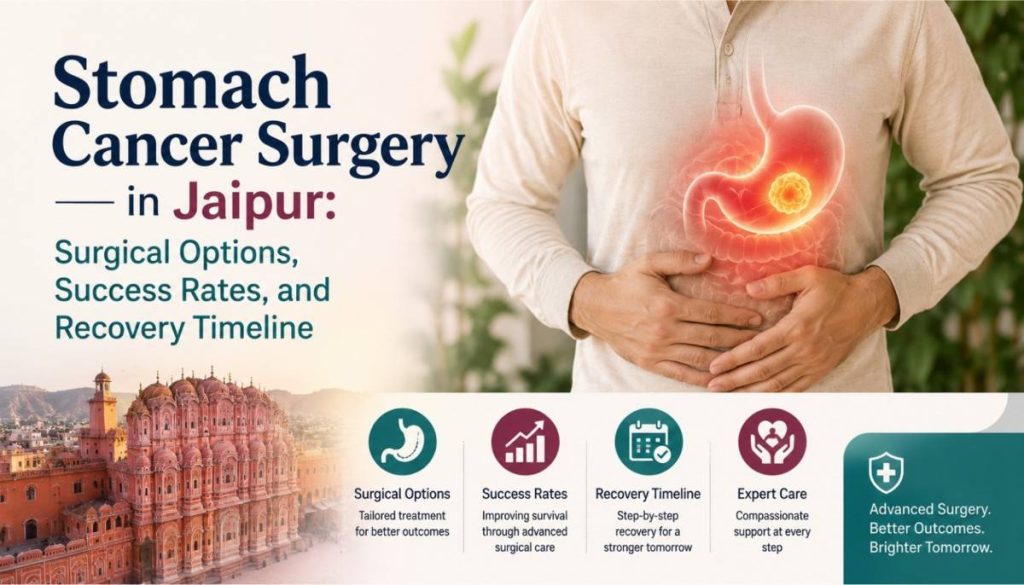
Stomach Cancer Surgery in Jaipur: Surgical Options, Success Rates, and Recovery Timeline Introduction For many families across Rajasthan, a stomach...
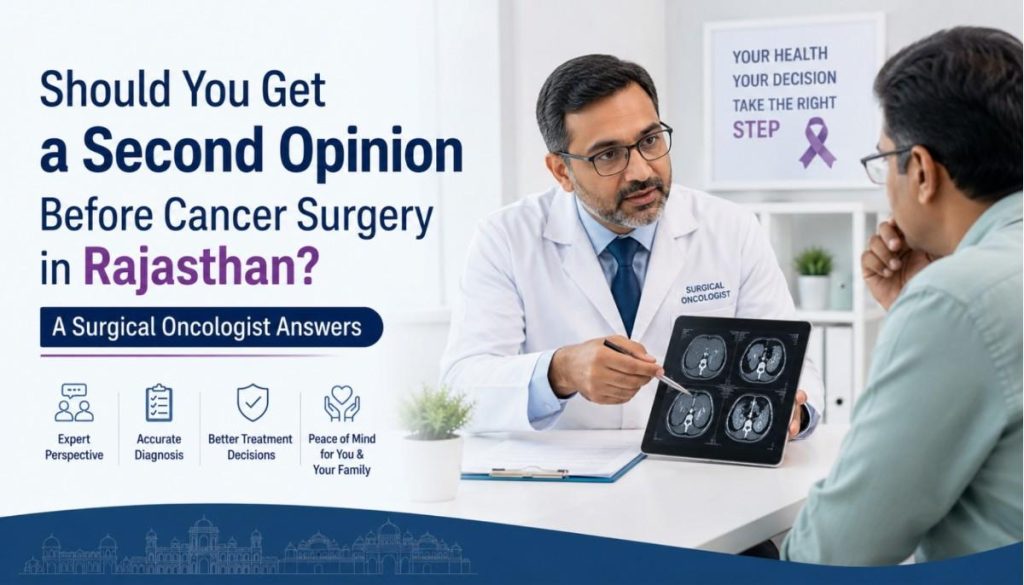
Should You Get a Second Opinion Before Cancer Surgery in Rajasthan? A Surgical Oncologist Answers Introduction A cancer diagnosis is...
 Optimized by Seraphinite Accelerator