
Colorectal Cancer Treatment: Dr. Nishant Sanghavi’s Surgical Approach at Zanish Cancer Hospital
Colorectal Cancer Treatment: Dr. Nishant Sanghavi's Surgical Approach at Zanish Cancer Hospital Introduction Colorectal cancer — cancer of the colon...

Cancer Hospital in Rajasthan | Zanish Cancer Hospital
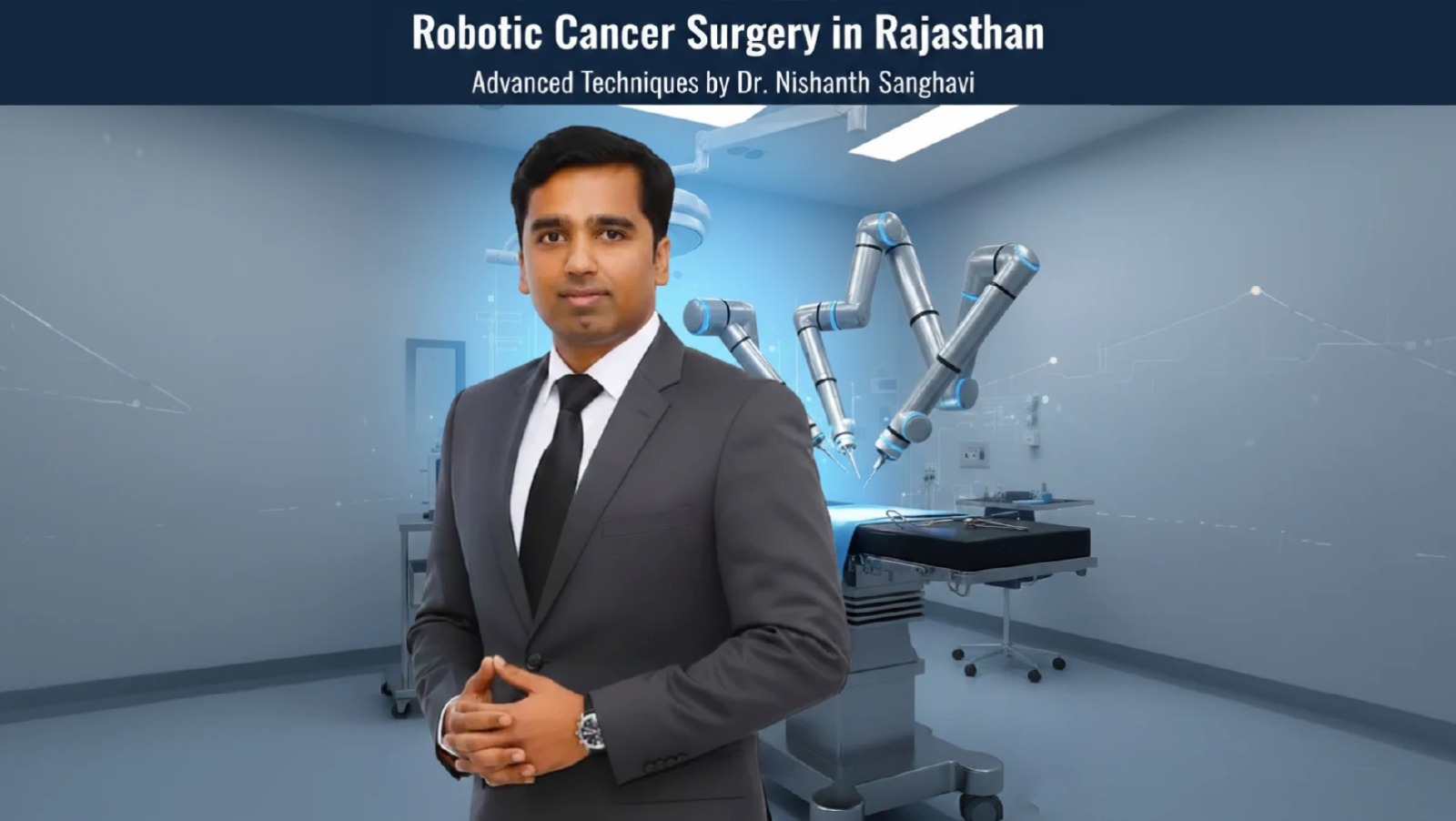
Cancer surgery has evolved dramatically over the past two decades, with robotic-assisted techniques representing one of the most significant technological advances in surgical oncology. For patients across Rajasthan seeking cutting-edge cancer treatment, robotic cancer surgery Rajasthan offers precision, reduced recovery times, and improved surgical outcomes compared to traditional open procedures. At Zanish Cancer Hospital, this advanced surgical approach combines state-of-the-art technology with experienced clinical expertise to deliver optimal cancer care.
Many Rajasthan patients remain unaware of robotic surgery availability or harbor misconceptions about its safety and effectiveness. Understanding how robotic surgical systems work, which cancers benefit most from this approach, and what realistic outcomes to expect helps patients make informed treatment decisions during an already overwhelming time.
Robotic surgical systems translate a surgeon’s hand movements into precise micro-movements of miniature instruments inserted through small incisions. The surgeon operates from a console with high-definition, three-dimensional visualization of the surgical field, controlling robotic arms that perform the actual procedure with enhanced dexterity and precision.
This minimally invasive cancer surgery approach differs fundamentally from traditional open surgery requiring large incisions, and even from conventional laparoscopic techniques. Robotic systems offer superior instrument articulation, tremor filtration, and magnified visualization, enabling surgeons to perform complex oncological procedures through smaller openings while maintaining surgical precision critical for complete cancer removal.
Advanced cancer treatment using robotic platforms has demonstrated particular effectiveness for cancers in confined anatomical spaces including prostate, gynecological organs, colorectal tumors, and certain head and neck malignancies. The technology enables precise dissection near critical structures like nerves and blood vessels, potentially preserving function while achieving oncological goals.
Historically, patients requiring advanced surgical techniques often traveled outside Rajasthan to metropolitan centers in Delhi, Mumbai, or Bangalore. The establishment of robotic surgical oncology capabilities within the state represents significant progress in regional healthcare infrastructure.
However, awareness gaps persist. Many patients and referring physicians remain unfamiliar with robotic surgery availability, appropriate patient selection criteria, and realistic outcome expectations. Educational efforts addressing these knowledge gaps help ensure suitable candidates receive timely referrals for evaluation.
Geographic accessibility matters profoundly during cancer treatment when patients require multiple follow-up visits, adjuvant therapies, and long-term surveillance. Having advanced surgical capabilities available locally reduces travel burdens, enables better family support during treatment, and facilitates continuity of care with familiar clinical teams throughout the cancer journey.
Zanish Cancer Hospital approaches robotic surgical oncology as one component within comprehensive, multidisciplinary cancer care rather than an isolated technological offering. Not every cancer patient requires or benefits from robotic surgery. The tumor board evaluates each case individually, recommending robotic approaches when they offer genuine advantages over alternative surgical techniques.
Patient selection considers tumor characteristics, cancer stage, anatomical factors, patient health status, and oncological appropriateness. The goal remains complete cancer removal with negative margins, whether achieved through robotic, laparoscopic, or open surgical approaches. Technology serves the treatment plan rather than driving it.
When robotic surgery represents the optimal approach, meticulous preoperative planning incorporates detailed imaging review, patient positioning strategies, and procedural mapping. This preparation ensures efficient, safe operations maximizing oncological outcomes while minimizing complications.
The hospital maintains rigorous safety protocols, infection control measures, and quality monitoring systems ensuring consistent outcomes regardless of surgical approach. Regular outcome analysis and continuous improvement initiatives reflect institutional commitment to excellence and accountability.
Best robotic cancer surgeon Rajasthan searches reflect patient desire for experienced operators comfortable with both robotic technology and oncological principles. Dr. Nishanth Sanghavi robotic surgery experience encompasses extensive training in robotic-assisted procedures across multiple cancer types.
Technical proficiency develops through dedicated fellowship training, manufacturer-certified education, ongoing skill maintenance, and progressive case complexity accumulation. However, surgical expertise extends beyond console operation to include sound oncological judgment about when robotic approaches serve patients best versus alternative techniques.
Dr. Nishanth Sanghavi‘s practice emphasizes oncological completeness as the primary surgical goal. Robotic platforms enable achievement of this goal through minimally invasive approaches when anatomically and oncologically appropriate, but never compromise cancer control for minimally invasive benefits. This balanced perspective ensures technology enhances rather than dictates surgical decision-making.
Robotic cancer surgery with Dr. Nishanth Sanghavi reflects integration of advanced techniques within evidence-based oncology practice. Patients receive thorough explanations about why specific approaches are recommended, realistic recovery expectations, and honest communication about potential risks and limitations.
Preoperative Evaluation
Consultation includes comprehensive assessment determining surgical approach appropriateness. Patients undergo detailed imaging, laboratory testing, and medical optimization. Clear communication about procedure specifics, recovery expectations, and realistic outcomes establishes appropriate expectations.
Surgical Procedure
Robotic operations typically involve several small incisions through which instruments and camera are inserted. The surgeon operates from a console while surgical assistants manage instrument exchanges and provide bedside support. Procedures generally take similar or slightly longer duration compared to open surgery but offer visualization and precision advantages.
Immediate Recovery
Minimally invasive approaches typically result in less postoperative pain, shorter hospital stays, and faster return to normal activities compared to open surgery. However, recovery experiences vary individually based on procedure extent, patient age, overall health, and cancer stage.
Follow-Up and Surveillance
Regular postoperative appointments monitor healing, pathology results, and recovery progress. Additional treatments including chemotherapy or radiation are coordinated when indicated based on final pathological staging and tumor biology assessment.
Patients seeking advanced surgical options increasingly prioritize several factors beyond technology availability. Zanish Cancer Hospital has earned trust through transparent communication about robotic surgery’s genuine benefits and realistic limitations, avoiding exaggerated marketing claims common in technology-focused healthcare advertising.
The hospital’s comprehensive approach ensures patients receive appropriate surgical techniques whether robotic, laparoscopic, or open based on individual circumstances rather than predetermined preferences. This flexibility demonstrates commitment to patient welfare over technology promotion.
Integration of robotic capabilities within multidisciplinary cancer care means surgical decisions reflect collective expertise. Patients benefit from tumor board discussions incorporating medical oncology, radiation oncology, pathology, and radiology perspectives alongside surgical planning.
Geographic convenience for ongoing care matters throughout the cancer journey. Having advanced surgical expertise available within Rajasthan enables treatment close to home, family support systems, and established healthcare relationships.
What cancers can be treated with robotic surgery in Rajasthan?
Robotic approaches prove effective for prostate, gynecological, colorectal, urological, and selected head and neck cancers. Suitability depends on tumor location, size, stage, and individual patient factors. Consultation determines appropriateness for specific cases.
Is robotic surgery safer than traditional open surgery?
Safety depends more on surgeon experience and appropriate patient selection than technique alone. Robotic surgery offers advantages including reduced blood loss and faster recovery but requires specialized training. Properly selected patients generally experience excellent safety profiles.
Will insurance cover robotic cancer surgery?
Coverage varies by insurance provider and policy terms. Zanish Cancer Hospital assists patients with insurance inquiries and provides cost information during consultation to enable informed financial planning.
How long does recovery take after robotic cancer surgery?
Recovery timelines vary by procedure type and individual factors. Many patients experience shorter hospital stays and faster return to activities compared to open surgery, but complete healing still requires appropriate time based on surgical extent.
Does Dr. Nishanth Sanghavi perform all robotic procedures personally?
Dr. Sangvi performs robotic oncological procedures as part of comprehensive surgical practice. Specific surgeon assignment depends on case complexity, scheduling, and clinical appropriateness. Consultation clarifies surgical team composition for individual cases.
How do I know if robotic surgery is right for my cancer?
Comprehensive evaluation including imaging review, tumor board discussion, and patient consultation determines optimal surgical approach. Not all cancers benefit from robotic techniques. Your surgical team recommends approaches maximizing oncological outcomes while minimizing recovery burden.
Robotic cancer surgery represents significant advancement in surgical oncology, offering many patients less invasive treatment options without compromising cancer control. However, technology serves as a tool within comprehensive cancer care rather than a standalone solution. Clinical expertise, sound oncological judgment, and patient-centered decision-making remain fundamental to successful outcomes.
Zanish Cancer Hospital and Dr. Nishanth Sanghavi remain committed to providing Rajasthan patients access to advanced surgical techniques delivered ethically and competently. If you or a loved one faces a cancer diagnosis potentially benefiting from robotic surgical approaches, consultation offers opportunity to explore treatment options thoroughly.
Contact Zanish Cancer Hospital today to schedule your surgical oncology consultation and discuss whether robotic surgery is appropriate for your cancer care needs.
Colorectal Cancer Treatment: Dr. Nishant Sanghavi's Surgical Approach at Zanish Cancer Hospital Introduction Colorectal cancer — cancer of the colon...
Dr. Nishant Sanghavi: Experienced Breast Cancer Surgeon in Rajasthan Introduction Breast cancer is the most commonly diagnosed cancer among women...
Advanced Cancer Treatment at Zanish Cancer Hospital: Dr. Nishant Sanghavi's Surgical Expertise Introduction Facing a cancer diagnosis is one of...
 Optimized by Seraphinite Accelerator