Cancer Hospital in Rajasthan | Zanish Cancer Hospital
- +91 7433852300
- drnishantonco@gmail.com
- Rajasthan, India

Skin Cancer
- Home
- Treatments
- Skin Cancer
Skin Cancer Treatment
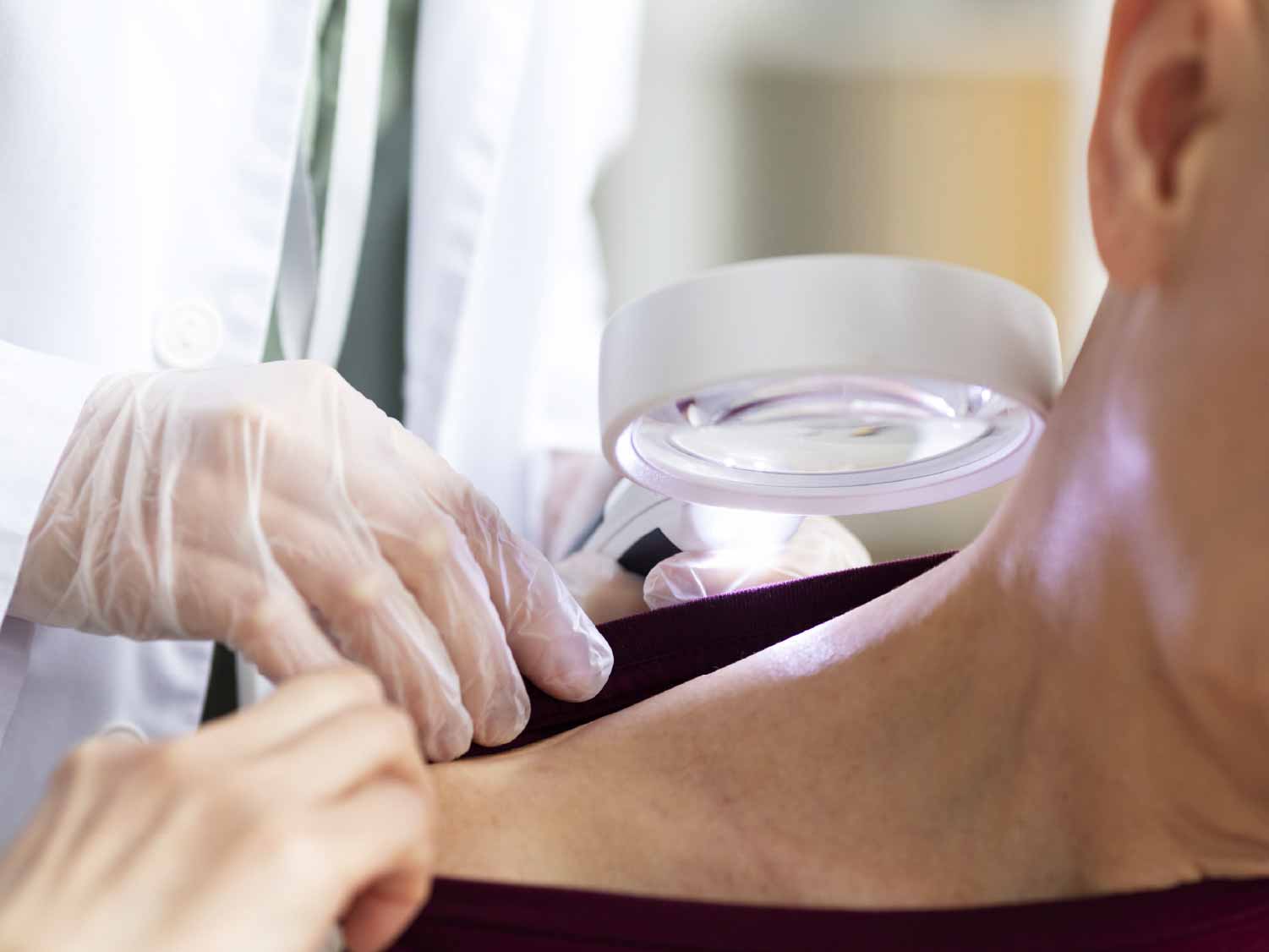
Comprehensive Skin Cancer Care in Rajasthan
Skin cancer occurs when abnormal cells in the skin grow uncontrollably, typically caused by damage from ultraviolet radiation from sun exposure or tanning beds. The three main types include basal cell carcinoma, squamous cell carcinoma, and melanoma. Basal cell carcinoma and squamous cell carcinoma are collectively called non-melanoma skin cancers and are the most common, generally growing slowly and rarely spreading to other body parts. Melanoma develops in melanocytes, the cells that produce skin pigment, and is less common but more serious as it can spread to other organs if not detected early. Warning signs include new growths, changes in existing moles, sores that don’t heal, spots that itch or bleed, and irregular borders or multiple colors in skin lesions. The ABCDE rule helps identify potential melanoma: Asymmetry, Border irregularity, Color variation, Diameter larger than a pencil eraser, and Evolution or changes over time. Zanish Cancer Hospital provides advanced skin cancer treatment in Rajasthan, offering specialized dermatologic oncology care with comprehensive diagnostic and treatment services.
Evidence-Based Treatment Protocols and Specialized Care
Our skin cancer treatment approach integrates current medical guidelines with personalized care planning based on cancer type, stage, location, and patient factors. Treatment selection considers not only cancer eradication but also cosmetic outcomes and quality of life.
Surgical excision remains the primary treatment for most skin cancers. Our dermatologic surgeons remove the cancerous tissue along with a margin of healthy skin to ensure complete removal. For appropriate cases, we perform Mohs micrographic surgery, a specialized technique that removes cancer layer by layer while immediately examining tissue under a microscope. This precise method achieves high cure rates while preserving maximum healthy tissue, particularly important for skin cancers on the face, ears, hands, and other cosmetically sensitive or functionally important areas.
Cryotherapy uses liquid nitrogen to freeze and destroy precancerous lesions and some small, superficial skin cancers. This office-based procedure works well for certain early-stage cancers and precancerous conditions like actinic keratoses.
Topical medications including chemotherapy creams and immune response modifiers can treat superficial basal cell carcinomas and precancerous lesions in select cases. These medications are applied directly to affected skin areas over several weeks.
Radiation therapy serves as an effective treatment option for patients who cannot undergo surgery due to medical conditions or tumor location. Our radiation oncology team delivers precise radiation doses that destroy cancer cells while minimizing impact on surrounding healthy tissue. Radiation may also be used after surgery if cancer has high risk of recurrence.
For advanced melanoma or cancers that have spread, systemic treatments become necessary. Immunotherapy medications harness the body’s immune system to fight cancer and have dramatically improved outcomes for advanced melanoma patients. Targeted therapy drugs attack specific genetic mutations in cancer cells. Chemotherapy may be used in certain situations for advanced disease.
Our multidisciplinary skin cancer team includes dermatologists, surgical oncologists, medical oncologists, radiation oncologists, plastic surgeons, and pathologists who collaborate on complex cases. Regular tumor board meetings ensure comprehensive evaluation and optimal treatment planning. This team-based approach provides patients with coordinated care addressing both cancer treatment and reconstructive needs when necessary.
Specialized Dermatologic Oncology Expertise
Zanish Cancer Hospital’s skin cancer team comprises board-certified specialists with advanced training in dermatologic oncology and cutaneous malignancies. Our dermatologists hold certifications in dermatology and have completed additional fellowship training in Mohs surgery and dermatologic oncology. They maintain active memberships in prestigious organizations including the American Academy of Dermatology, International Society for Dermatologic Surgery, and Indian Association of Dermatologists, Venereologists and Leprologists.
Our surgical oncologists bring specialized expertise in complex skin cancer excisions and reconstructive procedures, ensuring both oncologic completeness and optimal cosmetic outcomes. The medical oncology team includes specialists experienced in immunotherapy and targeted therapies for advanced melanoma and other aggressive skin cancers, holding memberships in the American Society of Clinical Oncology and Society for Immunotherapy of Cancer.
The radiation oncology specialists possess expertise in superficial radiation therapy and advanced techniques for treating skin malignancies in challenging locations. Our dermatopathologists provide expert microscopic examination and diagnosis of skin biopsies, essential for accurate cancer identification and treatment planning.
The plastic and reconstructive surgery team works closely with oncologic surgeons to perform complex reconstructions following extensive cancer removal, particularly for facial and other cosmetically sensitive areas.
Collectively, our team represents decades of specialized experience in skin cancer diagnosis and treatment. We maintain commitment to professional excellence through participation in continuing medical education, national and international dermatology and oncology conferences, and engagement with current clinical research in cutaneous malignancies. This dedication ensures our patients receive care informed by the most current advances in dermatologic oncology.
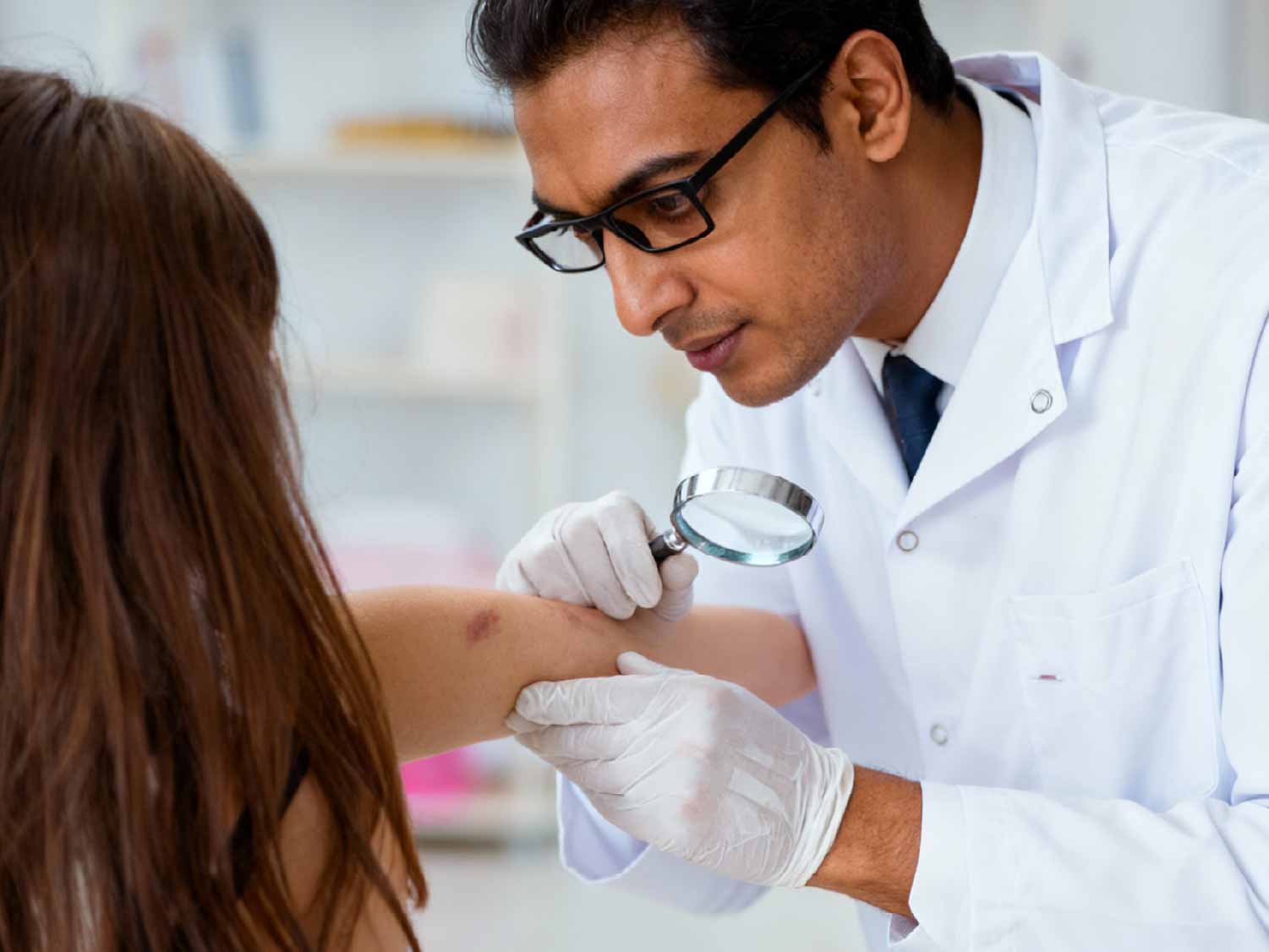
Advanced Diagnostic and Treatment Technology
Our facility features comprehensive diagnostic capabilities for accurate skin cancer evaluation and staging. High-resolution dermoscopy equipment enables detailed examination of skin lesions and guides biopsy decisions. Advanced imaging systems including CT scans, MRI, and PET-CT assess cancer spread when evaluating advanced cases or melanoma staging.
Modern pathology laboratory services provide expert dermatopathology evaluation, immunohistochemistry testing, and molecular analysis to identify specific genetic mutations that may guide targeted therapy selection. Sentinel lymph node biopsy capabilities help stage melanoma accurately.
Specialized surgical suites accommodate Mohs micrographic surgery with on-site pathology processing, allowing real-time tissue examination during procedures. Standard surgical facilities support excisions, reconstructive procedures, and lymph node surgery when needed.
Our radiation oncology department includes specialized equipment for superficial radiation therapy optimal for skin cancer treatment, as well as advanced linear accelerators for deeper lesions requiring higher-energy radiation.
Zanish Cancer Hospital maintains accreditation from national healthcare quality organizations, demonstrating commitment to patient safety and clinical excellence. Regular quality assessments ensure compliance with infection control protocols, surgical safety standards, and clinical best practices. Patient amenities include comfortable consultation rooms, private procedure areas, and supportive features designed to enhance the care experience.
Holistic Patient Support and Care Coordination
Skin cancer diagnosis and treatment can create anxiety and concern, particularly for visible lesions affecting appearance. Our comprehensive support services address medical, emotional, and practical needs throughout treatment.
Dedicated care coordinators facilitate appointment scheduling, treatment planning, and communication among specialists to ensure seamless care delivery. Professional counselors provide emotional support for patients dealing with cancer diagnosis, treatment decisions, and concerns about appearance changes following surgery.
Our team includes specialists who can discuss reconstructive options and cosmetic considerations following cancer removal. Nutritionists offer guidance on healthy eating habits that support skin health and overall wellness during treatment.
Financial counselors assist with insurance verification, treatment cost discussions, and exploration of financial assistance programs. We accept most major health insurance plans and work collaboratively with patients to address coverage questions and financial concerns related to cancer treatment.
Schedule Your Skin Cancer Evaluation Today
Early detection and treatment of skin cancer significantly improve outcomes. Contact Zanish Cancer Hospital to schedule a consultation with our dermatologic oncology specialists. Our patient services team can assist with appointment scheduling, insurance coordination, and medical record transfer.
We provide comprehensive skin cancer screening, diagnostic evaluation, and treatment planning services. Urgent appointments are available for concerning skin lesions requiring prompt evaluation.
Frequently Asked Questions
The three main types are basal cell carcinoma (most common, slow-growing), squamous cell carcinoma (more aggressive than basal cell but still usually curable), and melanoma (most serious type that can spread rapidly). Additionally, there are rare skin cancers including Merkel cell carcinoma and dermatofibrosarcoma protuberans. Your dermatologist will determine the specific type through biopsy examination.
Prevention strategies include limiting sun exposure during peak hours (10 AM to 4 PM), wearing protective clothing including wide-brimmed hats and long sleeves, applying broad-spectrum sunscreen with SPF 30 or higher regularly, avoiding tanning beds, examining your skin monthly for changes, and scheduling annual skin checks with a dermatologist. These measures significantly reduce skin cancer risk.
A skin biopsy is a simple office procedure where the dermatologist numbs the area with local anesthesia and removes a small tissue sample for laboratory examination. The procedure typically takes only a few minutes. The tissue sample is sent to a pathologist who examines it under a microscope to determine if cancer is present and identify the specific type.
All surgical procedures create some scarring, but our team uses advanced techniques to minimize scarring and optimize cosmetic outcomes. The extent of scarring depends on cancer size, location, and surgical technique required. Mohs surgery preserves maximum healthy tissue, often resulting in smaller scars. Plastic reconstruction may be performed for larger excisions, particularly on the face.
Early-stage melanoma detected and treated before spreading has excellent cure rates, often exceeding 95 percent with surgical removal alone. Advanced melanoma that has spread to lymph nodes or distant organs is more challenging to treat, but recent advances in immunotherapy and targeted therapies have dramatically improved outcomes for advanced melanoma patients. Prognosis depends on multiple factors including melanoma thickness, stage at diagnosis, and treatment response.
Other Treatments
Lorem ipsum dolor sit amet, consectetur adipiscing elit.
Choose Trusted Cancer Hospital in Rajasthan for Better Health
Our expert oncology team delivers advanced diagnosis treatment
compassionate care personalized plans at Cancer Hospital Rajasthan today.
Address
1st Floor, Viva Atelier, Opp. B.D. Patel House, Near Sardar Patel Statue, Behind Sardar Patel Colony, Naranpura, Ahmedabad-380014. (Gujarat) India
Contact
+91 7433852300
Medical Disclaimer: This content provides educational information and does not constitute medical advice or guarantee specific treatment outcomes. Skin cancer treatment recommendations depend on comprehensive medical evaluation including biopsy results and staging. Treatment responses and outcomes vary based on cancer type, stage, location, individual health factors, and treatment tolerance. Consult qualified healthcare professionals for personalized medical guidance and treatment planning. Regular skin self-examinations and professional skin checks are important for early detection.