Cancer Hospital in Rajasthan | Zanish Cancer Hospital
- +91 7433852300
- drnishantonco@gmail.com
- Rajasthan, India

Stomach Cancer
- Home
- Treatments
- Stomach Cancer
Stomach Cancer Treatment
Expert Stomach Cancer Care in Rajasthan
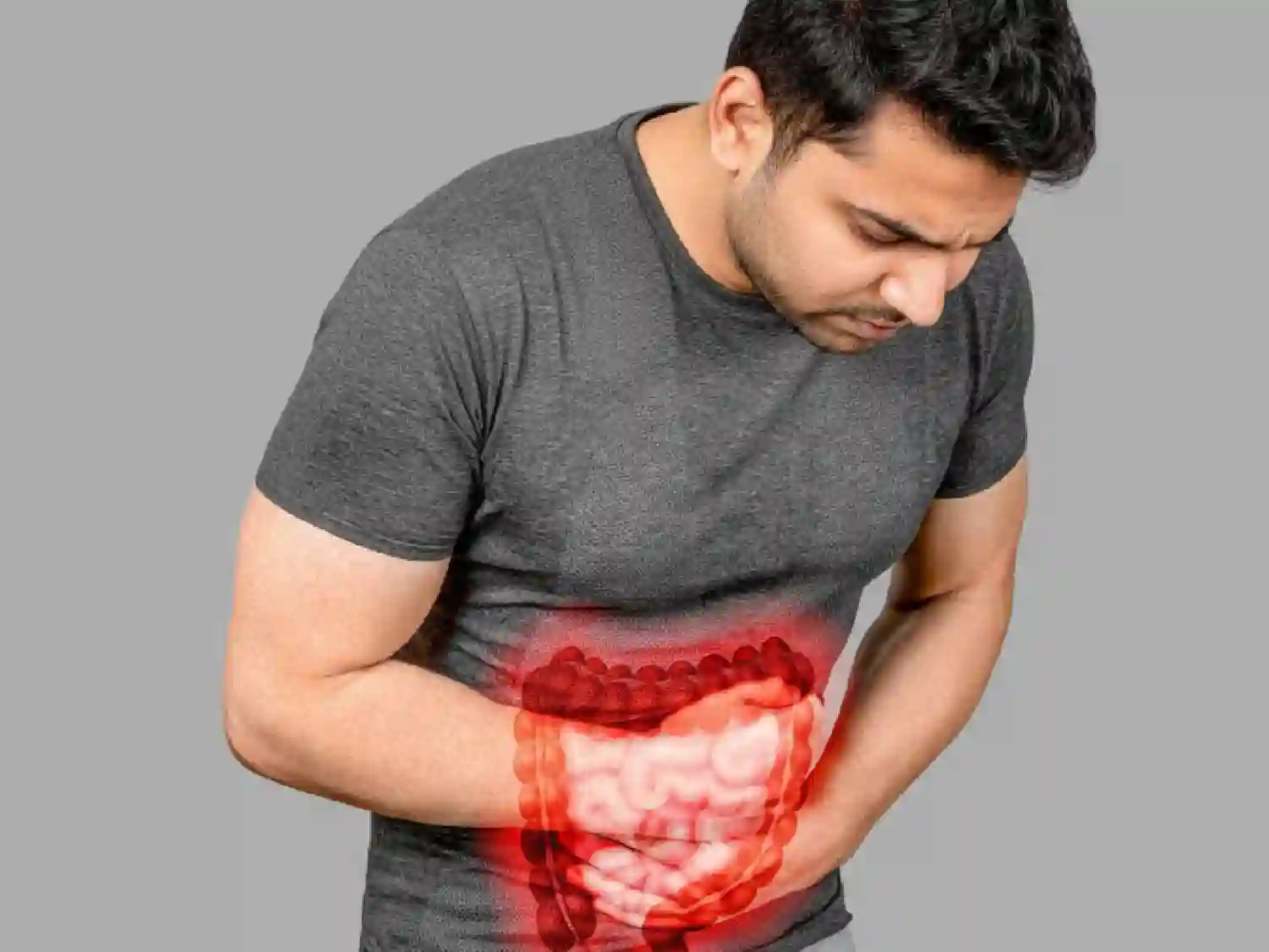
Stomach cancer, also called gastric cancer, develops when abnormal cells grow uncontrollably in the lining of the stomach. The stomach is a muscular organ in the upper abdomen that breaks down and digests food. Most stomach cancers begin in the mucus-producing cells lining the stomach’s inner layer, a type called adenocarcinoma. This condition often develops slowly over many years, with precancerous changes occurring in the stomach lining before cancer forms. Early-stage stomach cancer frequently causes vague symptoms that may be mistaken for common digestive problems, making early detection challenging. Warning signs include persistent indigestion, bloating after meals, loss of appetite, unintended weight loss, abdominal pain or discomfort, nausea and vomiting, difficulty swallowing, and feeling full after eating small amounts. Zanish Cancer Hospital provides comprehensive stomach cancer treatment in Rajasthan, offering advanced oncology care with a patient-centered approach that addresses medical, nutritional, and emotional needs throughout the treatment journey.
Comprehensive Treatment Approaches and Team-Based Care
Our stomach cancer treatment protocols integrate evidence-based medical practices with personalized care planning. Each patient receives individualized treatment recommendations following thorough evaluation of cancer stage, tumor location, cellular characteristics, and overall health status.
Surgical intervention remains the primary curative treatment for localized stomach cancer. Our surgical oncology team performs complex procedures including subtotal gastrectomy (partial stomach removal), total gastrectomy (complete stomach removal), and lymph node dissection when medically indicated. We employ advanced surgical techniques including minimally invasive and laparoscopic approaches when appropriate, which may result in smaller incisions, reduced postoperative pain, and shorter recovery periods. For early-stage superficial cancers, endoscopic resection may be possible in carefully selected cases.
Chemotherapy plays a crucial role in stomach cancer management, administered before surgery to shrink tumors (neoadjuvant therapy), after surgery to eliminate remaining cancer cells (adjuvant therapy), or as primary treatment for advanced disease. Our medical oncologists utilize current chemotherapy regimens supported by clinical research, including combination protocols that have demonstrated improved outcomes in medical studies. We carefully monitor treatment response and adjust protocols as needed to optimize effectiveness while managing side effects.
Radiation therapy may be incorporated into treatment plans, particularly when combined with chemotherapy (chemoradiation) to enhance tumor response before surgery or address microscopic disease after surgical resection. Our radiation oncology team employs precision-targeted radiation techniques to maximize cancer cell destruction while protecting surrounding healthy organs including the liver, kidneys, and spinal cord.
For advanced stomach cancer with specific molecular characteristics, targeted therapy medications may be appropriate. These drugs target specific proteins or genetic changes in cancer cells. Our oncologists evaluate tumor characteristics to determine eligibility for these specialized treatments.
Our multidisciplinary tumor board convenes regularly to review complex cases collaboratively. This team includes surgical oncologists, medical oncologists, radiation oncologists, gastroenterologists, radiologists, pathologists, and nutritionists who collectively evaluate diagnostic findings and develop comprehensive treatment strategies. This integrated approach ensures patients benefit from diverse specialist expertise and coordinated care delivery throughout their treatment journey.
Experienced Gastrointestinal Oncology Specialists
Zanish Cancer Hospital’s stomach cancer team comprises board-certified physicians with specialized training in gastrointestinal malignancies. Our surgical oncologists have completed advanced fellowships in complex abdominal and gastric surgery, bringing extensive experience in performing intricate stomach cancer procedures. They maintain active memberships in prestigious organizations including the Society of Surgical Oncology, International Gastric Cancer Association, and Association of Surgeons of India.
Our medical oncologists hold certifications from recognized medical boards and belong to leading professional societies such as the American Society of Clinical Oncology, European Society for Medical Oncology, and Indian Society of Medical and Pediatric Oncology. They possess specialized expertise in gastrointestinal cancer chemotherapy protocols and targeted therapies.
The radiation oncology team includes specialists trained in advanced radiation delivery techniques specific to upper gastrointestinal cancers, with expertise in treatment planning that protects critical organs while delivering effective radiation doses. Our gastroenterology team provides specialized endoscopic expertise for diagnosis, staging, and in select cases, early-stage treatment.
The pathology department features experts in gastrointestinal pathology who provide accurate diagnostic evaluation, tumor staging, and molecular characterization essential for treatment planning. Our radiologists specialize in gastrointestinal imaging interpretation.
Collectively, our medical team represents decades of dedicated experience in stomach cancer diagnosis and treatment. We maintain commitment to continuous professional development through participation in national and international oncology conferences, ongoing medical education programs, and engagement with emerging clinical research. This dedication ensures our patients receive care informed by the most current medical knowledge and clinical best practices in gastrointestinal oncology.
Advanced Diagnostic and Treatment Infrastructure
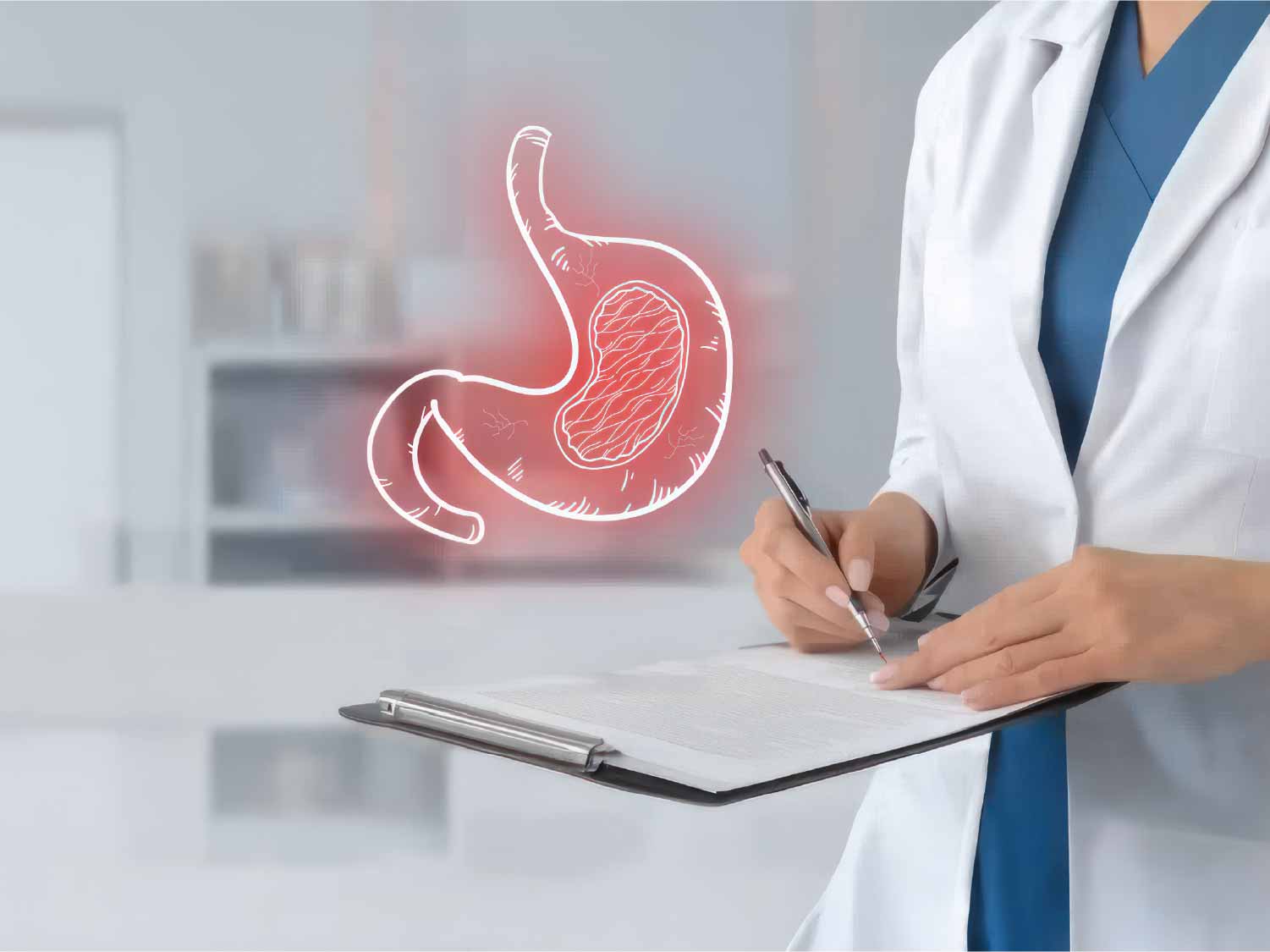
Our facility features comprehensive diagnostic technology essential for accurate stomach cancer evaluation and staging. High-resolution CT scanners and PET-CT imaging systems enable precise assessment of tumor extent and detection of cancer spread. Advanced endoscopic equipment including high-definition gastroscopes allows detailed visualization of stomach lining abnormalities, tissue biopsy collection, and endoscopic ultrasound for tumor depth assessment.
Modern laboratory services provide comprehensive tumor marker testing, genetic analysis when clinically indicated, and nutritional status evaluation. Our pathology department utilizes current techniques for accurate tissue diagnosis, histological classification, and molecular testing to guide treatment decisions.
Surgical suites are equipped with advanced laparoscopic and minimally invasive surgical instrumentation, sophisticated monitoring systems, and specialized equipment necessary for complex gastric procedures. Our intensive care units provide specialized postoperative monitoring and support.
The radiation oncology department houses linear accelerators capable of delivering intensity-modulated radiation therapy (IMRT) and image-guided radiation therapy (IGRT) for precise treatment delivery.
Zanish Cancer Hospital maintains accreditation from national healthcare quality organizations, demonstrating adherence to rigorous safety and quality standards. Regular quality assessments ensure compliance with best practices in infection control, medication safety, surgical protocols, and patient care standards. Patient-centered amenities include private recovery rooms, family consultation spaces, and supportive features designed to enhance comfort and reduce stress during treatment.
Comprehensive Patient Support Services
Stomach cancer treatment involves significant physical and nutritional challenges requiring specialized support beyond medical interventions. Our comprehensive support services address these multifaceted needs throughout the care continuum.
Dedicated care coordinators facilitate appointment scheduling, treatment planning coordination, and communication among specialists to ensure integrated care delivery. Registered dietitians with specialized training in oncology nutrition provide essential guidance for patients facing eating difficulties and nutritional challenges following surgery or during treatment. They develop individualized nutrition plans addressing reduced stomach capacity, dietary modifications, and vitamin supplementation needs.
Professional counselors and support groups offer emotional support for patients and families navigating cancer diagnosis and treatment challenges. Our palliative care team focuses on symptom management, pain control, and quality of life optimization. Financial counselors assist with insurance verification, treatment cost discussions, and exploration of financial assistance programs. We accept most major health insurance plans and work collaboratively with patients to address coverage questions and financial concerns.
Contact Zanish Cancer Hospital for Consultation
Timely evaluation by stomach cancer specialists is important for accurate diagnosis and treatment planning. Contact Zanish Cancer Hospital to schedule a consultation with our gastrointestinal oncology team. Our patient services department can assist with appointment scheduling, insurance coordination, and medical record transfer.
We provide prompt consultation services for new patients requiring stomach cancer evaluation, second opinions, and comprehensive treatment planning discussions.
Frequently Asked Questions
While exact causes remain unclear, several factors increase stomach cancer risk including Helicobacter pylori infection, chronic gastritis, pernicious anemia, family history of stomach cancer, tobacco use, diet high in smoked or salted foods, obesity, and previous stomach surgery. However, many people with risk factors never develop stomach cancer, and some patients have no identifiable risk factors.
Diagnosis typically begins with upper endoscopy, where a thin flexible tube with a camera examines the stomach lining and collects tissue samples (biopsy) for laboratory analysis. Imaging studies including CT scans, PET-CT, and endoscopic ultrasound help determine cancer stage and extent. Blood tests may measure tumor markers and assess nutritional status.
Eating habits typically require adjustment after stomach surgery, especially following total gastrectomy. Patients usually need to eat smaller, more frequent meals and may require vitamin supplementation, particularly vitamin B12. Our nutritionists provide detailed guidance on dietary modifications and help patients adapt to nutritional changes following surgery.
Side effects vary by treatment type. Surgery may involve recovery time and permanent dietary changes. Chemotherapy can cause nausea, fatigue, and temporary blood count changes. Radiation may cause skin irritation, fatigue, and digestive symptoms. Our supportive care team provides interventions to manage side effects and maintain quality of life during treatment.
Prognosis depends significantly on cancer stage at diagnosis, tumor characteristics, treatment response, and overall health. Early-stage stomach cancer detected and treated before spreading has more favorable outcomes. Advanced-stage disease focuses on life-prolonging treatment and symptom management. Your medical team will discuss realistic expectations based on your specific situation and provide honest communication throughout treatment.
Other Treatments
Lorem ipsum dolor sit amet, consectetur adipiscing elit.
Coose Trusted Cancer Hospital in Rajasthan for Better Health
Our expert oncology team delivers advanced diagnosis treatment
compassionate care personalized plans at Cancer Hospital Rajasthan today.
Address
1st Floor, Viva Atelier, Opp. B.D. Patel House, Near Sardar Patel Statue, Behind Sardar Patel Colony, Naranpura, Ahmedabad-380014. (Gujarat) India
Contact
+91 7433852300
Medical Disclaimer: This content provides educational information and does not constitute medical advice or guarantee specific treatment outcomes. Stomach cancer treatment recommendations depend on comprehensive individual medical evaluation. Treatment responses and outcomes vary based on numerous factors including cancer stage, tumor characteristics, overall health, nutritional status, and treatment tolerance. Consult qualified healthcare professionals for personalized medical guidance and treatment planning